
Share this Article
Share this Article
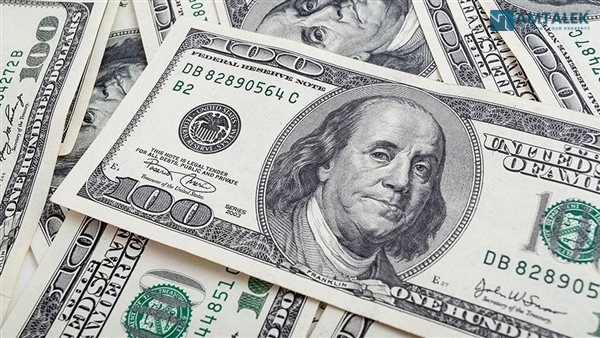
Dollar price in Egypt today Thursday 02/07/2026
Financial currencies
Share on
Copy Link
Download Options
Dollar price in Egypt today Thursday 02/07/2026
As the Egyptian economy continues its dynamic trajectory, the dollar price in Egypt today, Thursday, July 2, 2026, remains a focal point for individuals, businesses, and investors alike. Understanding the nuances of the USD to EGP exchange rate is crucial for financial planning and market engagement in the North African nation. Amtalek is pleased to provide its readers with a comprehensive and up-to-date analysis of the dollar's performance against the Egyptian Pound across various banks, offering clarity and insight into the latest currency movements.
Today's market snapshot reveals a competitive landscape among Egyptian banks, each setting its own rates based on a multitude of factors, including interbank activity, liquidity, and overall economic sentiment. This detailed report aims to shed light on these variations, helping you navigate the currency market with confidence. Whether you are looking to exchange foreign currency, track investment performance, or simply stay informed about the economic pulse, Amtalek's daily updates are designed to be your reliable guide.
The exchange rate of the US Dollar against the Egyptian Pound is not merely a number; it reflects broader economic conditions, including trade balances, foreign investment inflows, and the Central Bank's monetary policies. Staying abreast of these figures allows for more informed decisions in a market that is constantly evolving. Our analysis for Thursday, 02/07/2026, compiles data from a significant number of banks, providing a holistic view of the bank dollar rates Egypt offers, ensuring you have access to the most current and relevant information.
USD Price in Egyptian Banks Today
The dollar price in Egypt today exhibits a range of fluctuations across the country's banking sector, a typical characteristic of a dynamic foreign exchange market. These differences are influenced by each bank's individual liquidity position, operational costs, and strategic pricing decisions to attract or deter currency transactions. For Thursday, July 2, 2026, we have meticulously compiled the buy and sell rates from 26 prominent banks operating within Egypt, offering a transparent overview of the market's current state.
Customers looking to sell US Dollars to banks will naturally seek institutions offering the highest buy rates, thereby maximizing their returns in Egyptian Pounds. Conversely, those wishing to purchase US Dollars from banks will prioritize those with the lowest sell rates to minimize their expenditure. This competitive environment among banks ultimately benefits consumers by providing options and encouraging more favorable rates.
Understanding these variations is key, particularly for frequent travelers, importers, exporters, and individuals receiving remittances. A slight difference in the exchange rate can significantly impact the value of transactions, making it imperative to consult the latest figures before conducting any currency exchange. Below, you will find a comprehensive table detailing the USD to EGP exchange rate for both buying and selling across a wide array of Egyptian banks on this specific date. This table serves as a vital tool for comparing and identifying the most advantageous bank dollar rates Egypt has to offer today.
The data presented reflects the rates as of Thursday, July 2, 2026, and is subject to change throughout the day based on market conditions. We encourage our readers to use this information as a guide and verify rates directly with their preferred banking institutions for real-time accuracy before making any financial decisions.
| Bank | Buy | Sell |
|---|---|---|
| Housing and Development Bank (HDB) | 49.25 | 49.35 |
| Bank NXT | 49.18 | 49.28 |
| SAIB | 49.10 | 49.20 |
| Industrial Development Bank (IDB) | 49.09 | 49.19 |
| National Bank of Egypt (NBE) | 49.08 | 49.18 |
| Al Ahli Bank of Kuwait (ABK) | 49.08 | 49.13 |
| Banque Misr (BM) | 49.08 | 49.18 |
| EG Bank | 49.08 | 49.18 |
| MID Bank | 49.08 | 49.18 |
| Suez Canal Bank (SCB) | 49.08 | 49.18 |
| The United Bank (UB) | 49.08 | 49.18 |
| HSBC Egypt | 49.08 | 49.18 |
| Egyptian Arab Land Bank (EALB) | 49.08 | 49.18 |
| Arab African International Bank (AAIB) | 49.08 | 49.18 |
| Arab International Bank (AIB) | 49.06 | 49.16 |
| Abu Dhabi Islamic Bank (ADIB) | 49.05 | 49.15 |
| Al Baraka Bank | 49.05 | 49.15 |
| National Bank of Kuwait (NBK) | 49.05 | 49.15 |
| KFH Egypt | 49.05 | 49.15 |
| First Abu Dhabi Bank (FABMISR) | 49.05 | 49.15 |
| Credit Agricole (CA) | 49.04 | 49.14 |
| Abu Dhabi Commercial Bank (ADCB) | 49.00 | 49.10 |
| Commercial International Bank (CIB) | 49.00 | 49.10 |
| Bank of Alexandria (ALEXBANK) | 49.00 | 49.10 |
| Emirates NBD | 49.00 | 49.10 |
| Faisal Islamic Bank | 49.00 | 49.10 |
Highest and Lowest Dollar Prices Today
For those closely monitoring the dollar price in Egypt today, identifying the highest and lowest rates available across the banking sector is paramount. This information empowers individuals and businesses to make the most advantageous decisions when exchanging currency. On Thursday, July 2, 2026, the market presented a clear picture of the most competitive offerings from Egyptian banks.
When it comes to selling US Dollars to a bank, customers aim for the highest possible buy rate. Today, the most favorable rate for selling your US Dollars was observed at the Housing and Development Bank (HDB), which offered a robust buy rate of 49.25 Egyptian Pounds per US Dollar. This rate positioned HDB as the leading choice for those looking to convert their foreign currency into EGP, reflecting its strong position in the current market dynamics for the USD to EGP exchange rate.
Conversely, for individuals or entities seeking to purchase US Dollars from a bank, the objective is to find the lowest possible sell rate to minimize the cost of acquiring foreign currency. While the Housing and Development Bank (HDB) reported a sell price of 49.35, representing one of the higher sell prices in the market, several other institutions provided more competitive rates for buying USD. The general trend for the lowest sell prices today hovered around 49.10 EGP. Banks such as Abu Dhabi Commercial Bank (ADCB), Commercial International Bank (CIB), Bank of Alexandria (ALEXBANK), Emirates NBD, and Faisal Islamic Bank were among those offering a sell rate of 49.10, making them attractive options for those looking to acquire US Dollars at a relatively lower cost.
These figures highlight the importance of comparing bank dollar rates Egypt before executing any currency transactions. The difference between the highest and lowest rates, even if seemingly small, can accumulate to significant savings or gains depending on the volume of currency being exchanged. Amtalek's daily reports are designed to provide this critical insight, ensuring our readers are always equipped with the latest information to navigate the Egyptian foreign exchange market effectively.
Average Dollar Price in Egypt
Beyond the extremes of the highest buy and lowest sell rates, understanding the average . For Thursday, July 2, 2026, we have calculated these crucial averages based on the rates provided by the 26 banks included in our comprehensive analysis.
The average buy price for the US Dollar across all surveyed banks today stands at 49.07 Egyptian Pounds. This figure represents the typical rate at which banks are willing to purchase US Dollars from their customers. It serves as a useful indicator for individuals and businesses planning to convert their foreign currency holdings into EGP, offering a realistic expectation of what they might receive on average from the banking sector. While some banks may offer slightly higher rates, and others slightly lower, this average provides a central point of reference for the market's buying activity.
Correspondingly, the average sell price for the US Dollar in the Egyptian market today is 49.17 Egyptian Pounds. This is the average rate at which banks are selling US Dollars to their customers. For those looking to acquire US Dollars for various purposes, such as international travel, imports, or overseas investments, this average sell rate offers a benchmark for the cost of obtaining the foreign currency. It reflects the general pricing strategy of the banking sector for selling USD, giving an overall sense of the expense involved.
These average figures are particularly valuable for long-term financial planning and for assessing the general trend of the is influenced by a complex interplay of domestic and international economic factors. Understanding these drivers is essential for comprehending the fluctuations in the .
Inflation
Inflation within Egypt plays a significant role in determining the purchasing power of the Egyptian Pound. High domestic inflation erodes the value of the EGP, making foreign currencies like the US Dollar relatively more attractive and expensive. When local goods and services become more expensive, the EGP's real value diminishes, often leading to a depreciation against stronger, more stable currencies. Conversely, if inflation is brought under control, it can strengthen the EGP, potentially leading to a more stable or even appreciating exchange rate.
Central Bank Policy
The Central Bank of Egypt (CBE) wields considerable influence over the exchange rate through its monetary policy tools. Interest rate decisions, for instance, directly impact the attractiveness of EGP-denominated assets. Higher interest rates can draw in foreign investment seeking better returns, increasing demand for the EGP and strengthening its value. The CBE also intervenes in the foreign exchange market by buying or selling foreign currency reserves to manage liquidity and stabilize the exchange rate, aiming to prevent excessive volatility.
Foreign Currency Demand
The demand for foreign currency, particularly the US Dollar, is a critical determinant of its price. This demand stems from various sources: importers needing dollars to pay for goods and services from abroad, Egyptian companies repaying foreign debts, and individuals seeking to transfer funds internationally or invest in foreign assets. When demand for the dollar outstrips its supply in the local market, its price against the EGP tends to rise. Supply, on the other hand, comes from exports, foreign direct investment, tourism revenues, and remittances.
Trade Balance
Egypt's trade balance, which is the difference between the value of its exports and imports, directly impacts the supply and demand for foreign currency. A persistent trade deficit (imports exceeding exports) means that more foreign currency is leaving the country than entering it, putting downward pressure on the EGP. Conversely, a trade surplus would increase the inflow of foreign currency, strengthening the local currency. Efforts to boost exports and rationalize imports are therefore crucial for managing the exchange rate.
Tourism & Remittances
Tourism and remittances from Egyptians working abroad are vital sources of foreign currency for the Egyptian economy. A robust tourism sector brings in significant amounts of dollars, euros, and other foreign currencies, increasing their supply in the local market. Similarly, remittances sent home by expatriate Egyptians contribute substantially to the country's foreign exchange reserves. A downturn in either of these sectors can reduce the supply of foreign currency, potentially leading to an increase in the . Monitoring them provides a deeper understanding of the market and helps in anticipating potential shifts in the involves analyzing a multitude of economic indicators and policy directions. As of Thursday, July 2, 2026, the outlook for the will largely depend on the sustained inflow of foreign direct investment, the performance of key sectors like tourism and exports, and the successful implementation of government economic reforms. Any significant shifts in global commodity prices, international interest rates, or geopolitical events could also introduce new dynamics to the exchange rate.
Currently, the market reflects a balance influenced by these factors. Investors and market participants are advised to closely monitor official statements from the Central Bank, government economic reports, and international financial news. A continued focus on enhancing foreign currency liquidity, attracting further investment, and managing inflation effectively will be crucial in shaping the future stability and trajectory of the
Latest News
No news available