
Share this Article
Share this Article
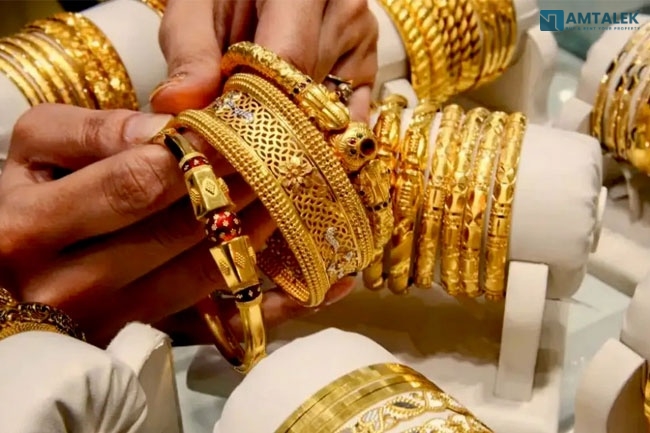
Gold price in Egypt Tuesday 14/07/2026
Gold
Share on
Copy Link
Download Options
Gold price in Egypt Tuesday 14/07/2026
Tuesday 14/07/2026
Today, Tuesday, July 14, 2026, the gold market in Egypt demonstrates a nuanced picture, reflecting both local economic dynamics and broader global influences. Investors and consumers alike are keenly observing the precious metal's performance, as it continues to be a crucial hedge against inflation and a store of value in uncertain times. Amtalek is pleased to provide this comprehensive daily update on gold prices, offering insights into the market's movements and the underlying factors shaping its trajectory.
Gold Prices in Egyptian Market Today
Gold prices in the Egyptian market are subject to daily fluctuations driven by a confluence of local and international economic indicators. The value of gold varies significantly depending on its carat, with higher carats generally commanding higher prices due to their purity. Below is a detailed breakdown of gold prices across different carats, including the price of a Troy Ounce and a Gold Pound, for today, Tuesday, July 14, 2026.
| العيار | الشراء (جنيه مصري) | البيع (جنيه مصري) |
|---|---|---|
| ذهب عيار 24 | 6646 | 6623 |
| ذهب عيار 22 | 6092 | 6071 |
| ذهب عيار 21 | 5815 | 5795 |
| ذهب عيار 18 | 4984 | 4967 |
| ذهب عيار 12 | 3323 | 3312 |
| أونصة الذهب (Troy Ounce) | 206714 | 205998 |
| جنيه الذهب (8 جرام عيار 21) | 46520 | 46360 |
Highest and Lowest Gold Prices Today
An analysis of today's gold prices reveals distinct patterns across different carats, offering clarity for both buyers and sellers in the Egyptian market. As expected, gold of higher purity, specifically Carat 24, maintains its position as the most expensive option, with a buying price reaching EGP 6646 per gram. This reflects its status as the purest form available on the market, often preferred by investors for its intrinsic value and international tradability.
Conversely, Carat 12 gold registers the lowest price point, available for purchase at EGP 3323 per gram. While less pure, Carat 12 still serves a segment of the market, often used in specific jewelry designs or for those seeking a more accessible entry point into gold ownership.
The widely popular Carat 21, a benchmark for many transactions and jewelry purchases in Egypt, is priced at EGP 5815 for buying and EGP 5795 for selling. This carat strikes a balance between purity and durability, making it a favored choice among local consumers. The difference between buying and selling prices for Carat 21 is a modest EGP 20, indicating a relatively stable spread for this particular grade today.
For larger investments, the price of a Gold Pound (8 grams of Carat 21) stands at EGP 46520 for buying and EGP 46360 for selling. This item remains a significant indicator for the market's health and investor confidence in tangible gold assets. The substantial value of a Gold Pound underscores its role as a key investment vehicle in Egypt.
On the international front, the Troy Ounce, a standard unit for global gold trading, is valued at EGP 206714 for buying and EGP 205998 for selling. This price reflects the conversion of international spot prices into Egyptian Pounds, influenced heavily by the current exchange rate and global market sentiment.
The spread between buying and selling prices across all carats and forms remains a critical factor for market participants. These differences, though varying, provide an essential margin for dealers and reflect the immediate liquidity and demand within the market. Today's figures suggest a relatively consistent market, with no extreme volatility in these spreads, offering a degree of predictability for those looking to enter or exit positions.
Factors Affecting Gold Prices in Egypt
The price of gold in Egypt is not determined in isolation; rather, it is a complex interplay of various domestic and international economic forces. Understanding these factors is crucial for anyone looking to navigate the local gold market.
USD/EGP Exchange Rate
Perhaps the most immediate and significant factor influencing local gold prices is the exchange rate between the US Dollar and the Egyptian Pound. Since gold is primarily traded internationally in US Dollars, any depreciation of the Egyptian Pound against the Dollar makes imported gold more expensive in local currency terms. Conversely, a stronger Pound would exert downward pressure on prices. Volatility in the exchange rate directly translates to fluctuations in the domestic gold market, making it a primary concern for investors and a key indicator to monitor.
Global Gold Market Trends
Egyptian gold prices are inherently linked to global gold market trends. International events, economic data releases from major economies, and the overall sentiment of global investors significantly impact the international spot price of gold. Factors such as interest rate decisions by central banks like the U.S. Federal Reserve, global inflation concerns, and geopolitical stability abroad all contribute to the global price, which then filters down to local markets, dictating a baseline for domestic valuations.
Central Bank Policies
The policies enacted by the Central Bank of Egypt (CBE) play a pivotal role. Interest rate decisions by the CBE, for instance, can influence the attractiveness of holding gold versus other interest-bearing assets. Higher interest rates on deposits or government bonds might draw capital away from gold, potentially reducing demand. Furthermore, any measures taken by the CBE to manage inflation or the exchange rate will indirectly affect gold's perceived value as a safe haven asset, impacting investor confidence and purchasing power.
Inflation and Economic Conditions
In times of high inflation, gold traditionally shines as a hedge against the erosion of purchasing power. When the cost of living rises and fiat currencies lose value, investors often turn to gold to preserve their wealth. Egypt's specific economic conditions, including its inflation rate, GDP growth, and overall economic stability, therefore have a direct bearing on local demand for gold. A challenging economic environment typically boosts gold's appeal as a secure investment.
International Demand and Supply
The global balance of demand and supply for gold also has ripple effects on the Egyptian market. Major gold-consuming nations, central bank gold purchases, and mining output all contribute to the global supply-demand equation. A surge in international demand or a reduction in supply can push global prices higher, subsequently affecting local prices in Egypt. Conversely, an oversupply or reduced demand globally can lead to price drops, influencing the domestic market's trajectory.
Geopolitical Tensions
Geopolitical instability, whether regional or international, frequently drives investors towards safe-haven assets like gold. Conflicts, political uncertainties, and major international crises often lead to a flight to quality, increasing demand for gold and pushing its price upwards. Given Egypt's strategic location, regional developments can sometimes have a more pronounced effect on local market sentiment and, consequently, gold prices, as investors seek security in tangible assets.
These intertwined factors create a dynamic and sometimes unpredictable environment for gold prices in Egypt. Monitoring these elements closely is essential for making informed decisions in the precious metals market.
Gold Price Forecast
Looking ahead, the gold market in Egypt is expected to remain under the influence of the same key drivers that shaped today's performance. The immediate outlook suggests continued sensitivity to the USD/EGP exchange rate, which will likely be the primary domestic determinant of price movements in the coming days. Any significant shifts in the Pound's value, whether strengthening or weakening, will be quickly reflected in local gold prices.
Globally, the trajectory of international gold prices will depend heavily on forthcoming economic data, particularly from major economies. Should there be renewed concerns about global inflation or economic slowdowns, gold's appeal as a safe haven could strengthen, potentially leading to an upward trend. Conversely, robust economic indicators and hawkish stances from global central banks regarding interest rates might temper gold's ascent.
Domestically, the Central Bank of Egypt's ongoing efforts to manage inflation and maintain economic stability will also play a crucial role. Investors will be watching for any policy signals that could impact liquidity or the investment landscape. Given the current economic climate, gold is likely to retain its status as a preferred asset for wealth preservation among many Egyptians.
In the short term, while moderate fluctuations are always possible, a significant departure from current price levels seems unlikely without major catalysts, either from the global stage or substantial changes in Egypt's economic policy. Investors are advised to stay informed on both local and international developments to make well-considered decisions regarding their gold holdings.
Latest News
No news available