
Share this Article
Share this Article
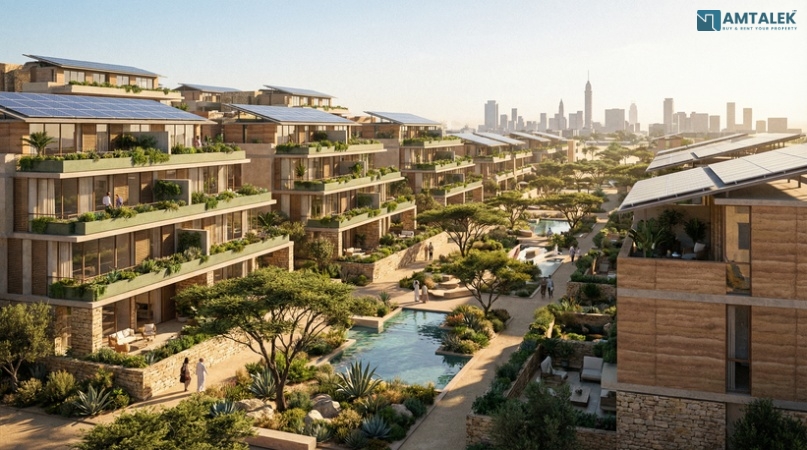
Sustainable Real Estate Development in Egypt: A Comprehensive Guide by Amtalek
CRM
Share on
Copy Link
Download Options
Sustainable Real Estate Development in Egypt: A Comprehensive Guide by Amtalek
The global real estate landscape is undergoing a profound transformation, driven by an increasing awareness of environmental challenges and the urgent need for sustainable practices. Egypt, with its rapidly growing population and ambitious development plans, stands at a critical juncture. The integration of sustainable principles into real estate development is not merely an ethical choice but a strategic imperative for long-term economic prosperity and environmental resilience. This comprehensive guide, brought to you by Amtalek, delves into the multifaceted aspects of sustainable real estate development in Egypt, offering practical insights and actionable advice for developers, investors, and policymakers.
As the demand for property for sale in Egypt continues to surge, the focus is shifting towards projects that offer not only aesthetic appeal and modern amenities but also environmental responsibility and social equity. Sustainable development encompasses a holistic approach, considering the entire lifecycle of a building from design and construction to operation and eventual decommissioning. It aims to minimize negative environmental impacts, optimize resource efficiency, enhance occupant well-being, and foster resilient communities. For those navigating the dynamic Egyptian market, understanding these principles is key to unlocking future value and contributing to a greener tomorrow.
The Pillars of Sustainable Real Estate
Sustainable real estate development is built upon several interconnected pillars, each contributing to a more balanced and responsible approach to construction and urban planning. These pillars guide the decision-making process, ensuring that projects are environmentally sound, socially equitable, and economically viable.
Environmental Stewardship
At its core, environmental stewardship in real estate focuses on minimizing the ecological footprint of buildings and developments. This involves a range of strategies aimed at conserving natural resources and reducing pollution. Key considerations include:
- Energy Efficiency: Designing buildings to reduce energy consumption through passive design strategies (e.g., optimal orientation, natural ventilation, shading), high-performance insulation, energy-efficient windows, and the integration of renewable energy sources like solar panels. This not only lowers operational costs but also reduces greenhouse gas emissions.
- Water Conservation: Implementing water-saving technologies such as low-flow fixtures, rainwater harvesting systems, greywater recycling, and drought-tolerant landscaping. Given Egypt's water scarcity challenges, efficient water management is paramount for any new properties in Egypt.
- Sustainable Materials: Prioritizing the use of locally sourced, recycled, rapidly renewable, and non-toxic building materials. This reduces the embodied energy of construction, minimizes waste, and supports local economies.
- Waste Reduction and Recycling: Adopting construction and demolition waste management plans to divert waste from landfills through recycling, reuse, and responsible disposal.
- Biodiversity Protection: Integrating green spaces, preserving natural habitats, and promoting native plant species within developments to enhance biodiversity and ecosystem services.
Social Equity and Community Well-being
Sustainable development extends beyond environmental concerns to encompass the social dimension, ensuring that projects benefit all segments of society and contribute positively to community well-being. This includes:
- Affordable Housing: Addressing the need for accessible and affordable housing options to ensure equitable access to quality living spaces for diverse income groups.
- Community Engagement: Involving local communities in the planning and design process to ensure that developments meet their needs and aspirations, fostering a sense of ownership and belonging.
- Health and Wellness: Designing spaces that promote physical and mental health through access to natural light, fresh air, green spaces, and amenities that encourage active lifestyles.
- Accessibility: Ensuring that buildings and public spaces are accessible to people of all abilities, promoting inclusivity and equal opportunities.
- Local Job Creation: Prioritizing local labor and businesses during construction and operation, contributing to economic development within the community.
Economic Viability and Innovation
For sustainable real estate to thrive, it must also be economically viable and embrace innovation. This pillar focuses on creating long-term value and fostering a competitive market.
- Long-Term Value Creation: Sustainable buildings often command higher rents, have lower operating costs, and are more resilient to future environmental regulations, leading to increased asset value over time.
- Green Building Certifications: Pursuing certifications like LEED (Leadership in Energy and Environmental Design) or Egypt's own Green Pyramid Rating System (GPRS) can enhance marketability, demonstrate commitment to sustainability, and potentially offer financial incentives.
- Technological Integration: Leveraging smart building technologies, IoT (Internet of Things) devices, and advanced analytics to optimize energy use, improve building performance, and enhance occupant comfort.
- Innovative Financing: Exploring green bonds, impact investing, and other innovative financing mechanisms that support sustainable projects and attract environmentally conscious investors.
- Risk Mitigation: Sustainable practices can mitigate risks associated with climate change, resource scarcity, and evolving regulatory landscapes, making projects more resilient and attractive to investors.
Challenges and Opportunities in Egypt's Sustainable Real Estate Market
Egypt's journey towards sustainable real estate development is marked by both significant challenges and immense opportunities. Understanding these dynamics is crucial for effective strategy formulation.
Challenges
- Awareness and Education: A lack of widespread awareness among developers, consumers, and even some policymakers about the long-term benefits and practical implementation of sustainable practices.
- Initial Cost Perceptions: The perception that sustainable construction is significantly more expensive upfront, often overlooking the substantial long-term operational savings and increased asset value.
- Regulatory Framework: While progress is being made, a comprehensive and consistently enforced regulatory framework for green building standards and incentives is still evolving.
- Supply Chain Limitations: The availability of sustainable building materials and skilled labor for green construction can sometimes be limited, requiring investment in local production and training.
- Financing Gaps: Access to dedicated green financing options and incentives for sustainable projects can be a hurdle for some developers.
Opportunities
- Government Support: The Egyptian government's commitment to sustainable development, as outlined in Egypt Vision 2030, provides a strong foundation for green initiatives and infrastructure projects.
- Growing Demand: An increasing segment of the population, particularly younger generations, is becoming more environmentally conscious and seeking sustainable living and working spaces.
- Untapped Potential for Renewables: Egypt boasts abundant solar and wind resources, offering significant potential for integrating renewable energy solutions into real estate projects.
- Innovation Hub: The burgeoning tech sector in Egypt can drive innovation in smart building technologies, energy management systems, and sustainable urban planning.
- International Partnerships: Opportunities for collaboration with international organizations and developers experienced in sustainable practices can bring expertise and investment.
The Role of Technology and Digital Solutions in Sustainable Real Estate
In the modern era, technology plays an indispensable role in advancing sustainable real estate development. Digital solutions offer powerful tools for optimizing processes, enhancing efficiency, and providing valuable insights. Amtalek recognizes this critical link and offers cutting-edge solutions to empower real estate professionals in Egypt.
Optimizing Operations with Real Estate CRM Systems
A robust realestate crm system in egypt is fundamental for managing the complexities of sustainable projects. From tracking client preferences for green features to managing project timelines and financial flows, a comprehensive CRM streamlines operations. Amtalek's real-estate system integrates CRM, HR, and accounting functionalities, providing a holistic platform for efficient management. This allows developers to:
- Monitor resource consumption and waste generation across projects.
- Track the procurement of sustainable materials and their certifications.
- Manage client communications regarding green features and benefits.
- Analyze project performance against sustainability targets.
- Ensure compliance with evolving environmental regulations.
Choosing from the top crm systems in egypt, Amtalek provides a solution that not only enhances operational efficiency but also supports the transparent reporting and verification crucial for sustainable development.
Mobile Applications for Enhanced Accessibility and Management
The proliferation of mobile technology offers new avenues for engaging with sustainable real estate. Mobile applications can provide real-time data on building performance, energy consumption, and even facilitate community interaction within green developments. Amtalek's commitment to innovation is evident in its mobile applications, available on both Google Play and the Apple App Store. These apps empower users to:
- Browse properties in egypt with detailed information on their sustainable features.
- Access smart home controls for energy management in their green residences.
- Receive updates on community sustainability initiatives.
- Provide feedback and engage with property management on environmental performance.
Conclusion: Building a Sustainable Future with Amtalek
Sustainable real estate development is no longer a niche concept but a fundamental requirement for the future of urban living and economic growth in Egypt. By embracing environmental stewardship, fostering social equity, and leveraging economic innovation, developers can create projects that are not only profitable but also contribute positively to the planet and its people. The challenges are significant, but the opportunities for growth, innovation, and positive impact are even greater.
Amtalek is at the forefront of this transformation, providing the tools, technology, and expertise necessary to navigate the complexities of the modern real estate market. Whether you are looking for property for sale in Egypt or seeking a comprehensive real-estate system to manage your sustainable developments, Amtalek offers solutions that align with the vision of a greener, more prosperous future. By working together, we can build resilient, resource-efficient, and socially responsible communities that stand the test of time, ensuring a sustainable legacy for generations to come.
Latest News
No news available