
Share this Article
Share this Article
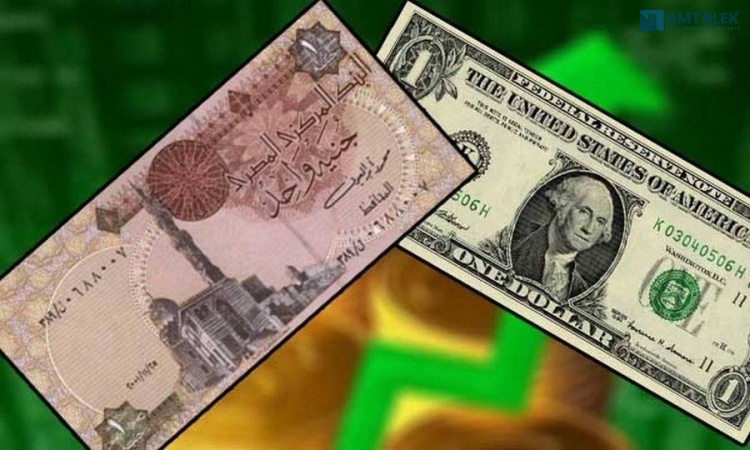
Dollar price in Egypt today Thursday 15/10/2026
Financial currencies
Share on
Copy Link
Download Options
Dollar price in Egypt today Thursday 15/10/2026
The financial markets in Egypt opened today, Thursday, October 15, 2026, with continued interest surrounding the United States Dollar (USD) exchange rate against the Egyptian Pound (EGP). Investors, businesses, and individuals alike closely monitor these fluctuations, as the Dollar price in Egypt today has significant implications for daily economic activities, import costs, and overall market stability. This comprehensive report, brought to you by Amtalek, offers an in-depth look at the current USD exchange rates across various Egyptian banks, providing clarity and crucial insights into the market dynamics.
Understanding the USD to EGP exchange rate is vital in an economy heavily reliant on imports and international trade. The value of the dollar impacts everything from the price of consumer goods to the cost of raw materials for local industries. As such, tracking the precise figures offered by different financial institutions helps stakeholders make informed decisions regarding transactions, investments, and financial planning. Our detailed breakdown aims to provide the most accurate and up-to-date information available, reflecting the real-time conditions of the Egyptian banking sector on this Thursday morning.
The Egyptian market has been characterized by dynamic shifts, influenced by global economic trends, local monetary policies, and geopolitical developments. Today's rates reflect these ongoing interactions, offering a snapshot of the dollar's strength and the Egyptian Pound's resilience. Stay informed with Amtalek's daily updates to navigate the complexities of the foreign exchange market effectively.
USD Price in Egyptian Banks Today
The exchange rates for the United States Dollar in Egyptian banks often exhibit slight variations, a common characteristic of competitive financial markets. These differences arise from individual bank policies, operational costs, and their specific liquidity positions. Today, a total of 24 banks were surveyed to provide a comprehensive overview of the bank dollar rates Egypt. While most banks tend to cluster around a general average, some offer slightly more favorable rates for either buying or selling the dollar, catering to diverse customer needs.
For individuals and businesses looking to exchange currency, these subtle discrepancies can translate into notable savings or gains, especially for larger transactions. It is always advisable to compare rates across multiple institutions before finalizing any foreign exchange operation. Below is a detailed table outlining the dollar's purchase (buy) and sale (sell) prices in various Egyptian banks as of Thursday, October 15, 2026. This data allows for a direct comparison, empowering you to identify the most advantageous rates available in the market today.
| Bank | Buy | Sell |
|---|---|---|
| Abu Dhabi Islamic Bank (ADIB) | 53.08 | 53.18 |
| EG Bank | 53.08 | 53.18 |
| Industrial Development Bank (IDB) | 53.08 | 53.18 |
| Bank NXT | 53.07 | 53.17 |
| Faisal Islamic Bank | 53.07 | 53.17 |
| National Bank of Kuwait (NBK) | 53.07 | 53.17 |
| Al Ahli Bank of Kuwait (ABK) | 53.07 | 53.17 |
| SAIB | 53.07 | 53.17 |
| Arab African International Bank (AAIB) | 53.06 | 53.16 |
| Suez Canal Bank (SCB) | 53.05 | 53.15 |
| Commercial International Bank (CIB) | 53.05 | 53.15 |
| National Bank of Egypt (NBE) | 53.05 | 53.15 |
| Al Baraka Bank | 53.05 | 53.15 |
| Arab International Bank (AIB) | 53.05 | 53.15 |
| Banque Misr (BM) | 53.05 | 53.15 |
| Bank of Alexandria (ALEXBANK) | 53.05 | 53.15 |
| Housing and Development Bank (HDB) | 53.05 | 53.15 |
| The United Bank (UB) | 53.05 | 53.15 |
| HSBC Egypt | 53.05 | 53.15 |
| KFH Egypt | 53.05 | 53.15 |
| QNB Alahli | 53.05 | 53.15 |
| Egyptian Arab Land Bank (EALB) | 53.00 | 53.10 |
| Abu Dhabi Commercial Bank (ADCB) | 53.00 | 53.10 |
| First Abu Dhabi Bank (FABMISR) | 53.00 | 53.10 |
Highest and Lowest Dollar Prices Today
Observing the data compiled from 24 banks across Egypt for Thursday, October 15, 2026, distinct patterns emerge regarding the dollar's exchange rates. For those looking to sell their dollars, the most advantageous rate was found at Abu Dhabi Islamic Bank (ADIB), which offered the highest purchase price. Abu Dhabi Islamic Bank (ADIB) recorded the highest BUY price for the dollar at 53.08 EGP, making it the top choice for individuals and businesses aiming to convert their USD into Egyptian Pounds at the most favorable rate.
Conversely, when considering the selling price of the dollar – the rate at which banks sell USD to customers – the market showed a range. Based on the provided data, the best SELL price, representing the most competitive rate for customers buying dollars, was noted at 53.18 EGP. This rate was offered by several banks, including Abu Dhabi Islamic Bank (ADIB), EG Bank, and Industrial Development Bank (IDB), among others. It is crucial for consumers to compare these selling rates, as even minor differences can impact the overall cost of acquiring foreign currency. This insight into the highest buy and best sell rates is invaluable for anyone engaging in foreign exchange transactions today, ensuring optimal financial outcomes.
Average Dollar Price in Egypt
Beyond the highest and lowest individual rates, understanding the average dollar price provides a broader perspective on the market's overall sentiment and stability. For Thursday, October 15, 2026, the average BUY price for the USD across the surveyed Egyptian banks stood at 53.05 EGP. This figure indicates the general rate at which banks are willing to purchase dollars from customers.
Similarly, the average SELL price, reflecting the rate at which banks typically offer dollars for sale to customers, was recorded at 53.15 EGP. These average figures serve as a benchmark, offering a quick reference point for the prevailing dollar rates in the Egyptian market today. They highlight the tight spread between buying and selling rates, which is indicative of a relatively stable, albeit dynamic, currency market environment.
Factors Affecting the Dollar Price in Egypt
The dollar price in Egypt today is not determined in isolation but is rather the outcome of a complex interplay of various domestic and international economic factors. These elements collectively shape the supply and demand dynamics for foreign currency, directly influencing the USD to EGP exchange rate. Understanding these underlying factors is crucial for comprehending currency movements and anticipating future trends.
Inflation
High inflation rates within Egypt can significantly impact the value of the Egyptian Pound relative to the dollar. When domestic prices rise rapidly, the purchasing power of the EGP diminishes, making foreign currencies, particularly the USD, more attractive as a store of value. This increased demand for dollars can exert upward pressure on its exchange rate. Conversely, efforts by the Central Bank to curb inflation can help stabilize or strengthen the local currency.
Central Bank Policy
The Central Bank of Egypt (CBE) plays a pivotal role in managing the country's monetary policy, which directly affects the dollar's value. Decisions regarding interest rates, foreign exchange interventions, and reserve requirements are powerful tools. For instance, raising interest rates can make EGP-denominated assets more appealing, potentially attracting foreign investment and increasing dollar supply. Direct intervention, such as selling dollars from reserves, can also be used to stabilize the exchange rate during periods of volatility.
Foreign Currency Demand
The demand for foreign currency, primarily the USD, stems from various sources. Importers require dollars to pay for goods and services from abroad, while companies with foreign debts need USD for repayment. Furthermore, speculative demand from investors who anticipate a depreciation of the EGP can also drive up the dollar's price. A sustained increase in demand without a corresponding rise in supply inevitably leads to a higher exchange rate.
Trade Balance
Egypt's trade balance, which is the difference between the value of its exports and imports, is a critical determinant of the dollar's price. A persistent trade deficit, where imports exceed exports, means that more dollars are leaving the country to pay for foreign goods than are entering through export revenues. This imbalance creates a structural demand for USD, putting continuous pressure on the EGP to depreciate. Efforts to boost exports and reduce reliance on imports are key to improving the trade balance and stabilizing the currency.
Tourism & Remittances
Tourism and remittances from Egyptians working abroad are vital sources of foreign currency for the country. When tourism flourishes, a significant influx of dollars enters the economy as visitors exchange their foreign currency for EGP. Similarly, remittances sent home by expatriate workers provide a steady stream of USD, boosting the country's foreign exchange reserves. Any disruption to these sectors, such as global travel restrictions or economic downturns affecting expatriate employment, can reduce dollar inflows and consequently impact the bank dollar rates Egypt.
These factors are interconnected and constantly evolving, making the foreign exchange market a dynamic landscape. Monitoring these indicators is essential for anyone seeking to understand or predict the movements of the dollar against the Egyptian Pound.
USD Forecast in Egypt
Forecasting the future trajectory of the USD to EGP exchange rate involves assessing a multitude of economic indicators and policy decisions, both domestically and internationally. While precise predictions are inherently challenging due to market volatility and unforeseen global events, a realistic outlook can be formed based on current trends and announced strategies.
In the short term, the dollar price in Egypt today is likely to remain responsive to the Central Bank's monetary policy actions. The CBE's commitment to managing inflation and maintaining currency stability will be a primary driver. Any further adjustments to interest rates or interventions in the foreign exchange market could lead to minor fluctuations. Additionally, global economic sentiment, particularly regarding commodity prices and international trade flows, will continue to play a role.
Looking ahead, the Egyptian government's ongoing structural reforms aimed at enhancing economic productivity, attracting foreign direct investment, and improving the trade balance are crucial for the long-term stability of the Egyptian Pound. Increased foreign currency inflows from robust tourism figures and steady remittances will provide support to the EGP. Conversely, any significant global economic slowdown or domestic challenges could introduce periods of pressure on the local currency.
Overall, analysts generally anticipate a period of relative stability for the bank dollar rates Egypt, with the Central Bank likely to continue its proactive approach to currency management. However, market participants should remain vigilant, as currency markets are always subject to unforeseen shifts. The interplay of fiscal discipline, monetary policy, and external economic conditions will ultimately dictate the dollar's path in the coming months.
This service is provided by Amtalek Realestate Platform
Latest News
No news available