
Share this Article
Share this Article
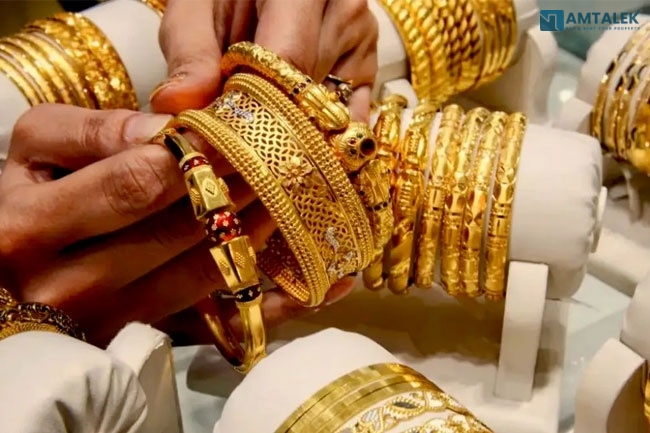
Gold price in Egypt Sunday 18/10/2026
Gold
Share on
Copy Link
Download Options
Gold Price in Egypt Today Sunday 18/10/2026
As the new week begins, the Egyptian gold market observes fresh price movements today, Sunday, October 18, 2026. Gold remains a pivotal asset for investors and savers in Egypt, serving as a traditional hedge against inflation and economic uncertainty. This daily gold price update, provided by Amtalek, offers a detailed look into the current market rates across various carats, helping consumers and investors make informed decisions amidst the ever-evolving economic landscape.
The precious metal's value in Egypt is influenced by a complex interplay of local and international factors, including the exchange rate of the Egyptian Pound against major currencies, global gold prices, and domestic demand and supply dynamics. Today's figures reflect these ongoing market forces, presenting a snapshot of gold's standing in the local economy.
Gold Prices in Egyptian Market Today
Gold prices in the Egyptian market are subject to daily fluctuations, reflecting global spot prices, the strength of the Egyptian Pound, and local market conditions. Investors and consumers typically monitor prices for different carats, as the purity of gold directly impacts its value. Carat 24 represents the purest form, while Carat 21 is the most widely traded and preferred for jewelry in Egypt, and Carat 18 is also popular. The following table details the latest gold prices in Egyptian Pounds for buying and selling today.
| العيار | الشراء (جنيه مصري) | البيع (جنيه مصري) |
|---|---|---|
| ذهب عيار 24 | 7166 | 7143 |
| ذهب عيار 22 | 6569 | 6548 |
| ذهب عيار 21 | 6270 | 6250 |
| ذهب عيار 18 | 5374 | 5357 |
| ذهب عيار 12 | 3583 | 3572 |
| أونصة الذهب (Troy Ounce) | 222888 | 222172 |
| جنيه الذهب (8 جرام عيار 21) | 50160 | 50000 |
Highest and Lowest Gold Prices Today
An analysis of today's gold prices in the Egyptian market reveals the clear distinctions based on purity and form. As expected, gold of higher purity commands a higher price, reflecting its intrinsic value.
- Highest Price: Gold Carat 24, being the purest form available, recorded the highest buying price at EGP 7166 per gram. This carat is typically preferred for investment purposes, such as gold bars and coins, due to its high purity.
- Lowest Price: On the other end of the spectrum, Gold Carat 12, which has a lower gold content, registered the lowest buying price at EGP 3583 per gram. This carat is less common in the Egyptian market for direct investment or fine jewelry, often used in specialized applications.
The widely popular Gold Carat 21, which is the cornerstone of the Egyptian jewelry market, is priced at EGP 6270 for buying. This carat strikes a balance between purity and durability, making it ideal for everyday wear and a common choice for both consumers and smaller-scale investors. The Gold Pound (8 grams of Carat 21) is valued at EGP 50160 for buying, representing a significant investment vehicle for many Egyptians. Meanwhile, a Troy Ounce of gold, an international standard unit, stands at EGP 222888, highlighting the substantial value of larger gold quantities in the local currency.
The difference between buying and selling prices across all carats reflects the dealer's margin, transaction costs, and market liquidity. These spreads are a normal feature of gold trading and vary based on market conditions.
Factors Affecting Gold Prices in Egypt
The price of gold in Egypt is not solely determined by local supply and demand but is intricately linked to a host of domestic and international economic indicators. Understanding these factors is crucial for anyone looking to invest in or trade gold.
USD/EGP Exchange Rate
One of the most significant determinants of local gold prices is the exchange rate between the Egyptian Pound (EGP) and the US Dollar (USD). Gold is globally priced in US dollars. When the Egyptian Pound depreciates against the dollar, it makes dollar-denominated gold more expensive in local currency terms, even if the international gold price remains stable. Conversely, a stronger EGP can lead to lower local gold prices, assuming global prices don't surge.
Global Gold Market Trends
International gold prices, influenced by major markets like COMEX and the London Bullion Market Association (LBMA), have a direct impact on Egyptian prices. Factors such as global economic data (e.g., US inflation, interest rates), the performance of the US dollar index, and investor sentiment towards safe-haven assets globally all contribute to the international spot price of gold, which then translates into local prices.
Central Bank Policies
The monetary policies enacted by the Central Bank of Egypt (CBE) play a crucial role. Interest rate decisions, for instance, can affect the attractiveness of holding gold. Higher interest rates on EGP-denominated deposits or government bonds might draw capital away from gold, as these assets offer a yield. Conversely, lower interest rates or policies aimed at stimulating economic growth, which might lead to inflation, often make gold a more appealing investment.
Inflation and Economic Conditions
Gold is traditionally viewed as a hedge against inflation. In periods of high inflation, like those Egypt has experienced, the purchasing power of fiat currency erodes, making tangible assets like gold more desirable. Economic instability or uncertainty also drives investors towards gold as a safe haven, leading to increased demand and potentially higher prices. Local economic growth, unemployment rates, and consumer confidence also indirectly influence the demand for gold, particularly for jewelry.
International Demand and Supply
Global demand for gold, whether from central banks, industrial uses, jewelry manufacturing, or investment vehicles (ETFs), impacts its international price. Major gold-producing nations and changes in global mining output also affect the supply side. A significant increase in global demand or a reduction in supply tends to push international prices upwards, which then filters down to the Egyptian market.
Geopolitical Tensions
Geopolitical events and regional or international conflicts often lead to a surge in safe-haven demand for gold. During times of heightened political instability, market participants tend to flock to assets perceived as safe stores of value, and gold is historically one of the primary beneficiaries. This increased demand, driven by uncertainty, can significantly push up global gold prices, which are then reflected in the Egyptian market.
Gold Price Forecast
The outlook for gold prices in Egypt in the coming days remains subject to the prevailing global and local economic currents. While gold has demonstrated resilience as a safe-haven asset, its trajectory will largely depend on several key factors.
Globally, expectations regarding interest rate policies from major central banks, particularly the US Federal Reserve, will continue to be a dominant influence. Any signals of aggressive rate hikes could put downward pressure on international gold prices, as higher interest rates typically increase the opportunity cost of holding non-yielding assets like gold. Conversely, a more dovish stance or persistent global inflation concerns could lend support to gold.
Domestically, the stability of the Egyptian Pound against the US Dollar will be paramount. Any significant movements in the exchange rate, whether due to government policies or market forces, will directly impact local gold prices. Furthermore, the local demand for gold, driven by inflation expectations and consumer sentiment, will also play a role. If inflation remains a concern, gold's appeal as a hedge is likely to persist.
Considering the current environment, gold prices in Egypt are likely to experience continued volatility in the short term, fluctuating in response to international market sentiment and local currency dynamics. However, the long-term appeal of gold as a store of value and a hedge against economic uncertainties is expected to remain strong for Egyptian investors.
This service is provided by Amtalek Realestate Platform
Latest News
No news available