Hurghada real estate guide: Commute Guide for Hurghada — Roads, Metro & Travel Times
September 6, 2026

Share this Article
Share this Article
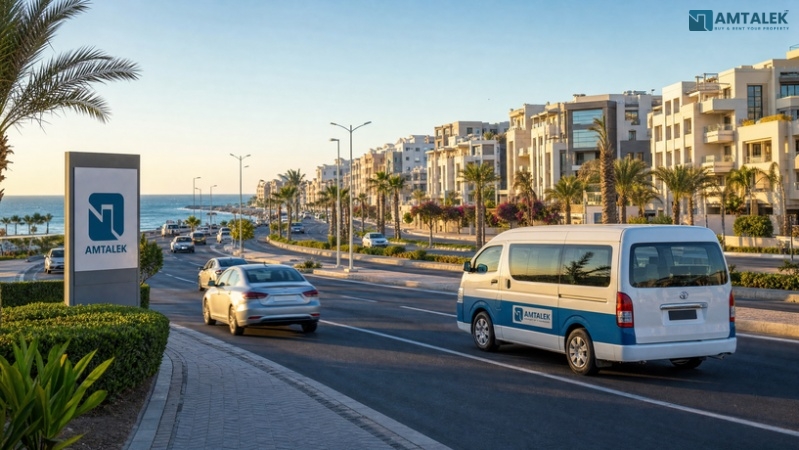
Hurghada real estate guide: Commute Guide for Hurghada — Roads, Metro & Travel Times
CRM
Share on
Copy Link
Download Options
Hurghada real estate guide: Commute Guide for Hurghada — Roads, Metro & Travel Times
If you are looking at Hurghada properties, the Hurghada real estate guide begins with a realistic look at how people move around the city and surrounding resorts. Whether you are buying or renting with a specific property in Hurghada or simply comparing neighbourhoods, understanding commute Hurghada patterns, main roads, and typical travel times will help you choose a location that fits daily life. This article explains transportation Hurghada options, why Hurghada has no urban metro, the effect of traffic Hurghada, and practical planning guidance for prospective residents and investors.
Overview: What to expect from commuting and transport in Hurghada
Hurghada is primarily a coastal resort city spread along the Red Sea with a road-based transport network. Unlike Cairo, which has the Cairo Metro serving large commuter volumes, Hurghada has no operating urban metro system; movement relies on private cars, taxis, minibuses (microbuses), ride-hailing, and intercity coaches. This difference is important for buyers and renters who may be used to rail-based commuting in other cities: in Hurghada you plan trips around roads and driving time, not metro schedules.
Road infrastructure in Hurghada has improved over recent years, with better connections to the airport, El Gouna, Sahl Hasheesh, Makadi Bay and Soma Bay. Still, peak-season tourism and local events can cause increased congestion along the main coastal axis and at junctions leading inland. Use travel-time ranges here as approximate planning estimates and always check live navigation or local traffic services before a trip — road conditions and events change day-to-day.
Main transport modes and what they mean for residents
Understanding the mix of transport modes will help you estimate daily costs, time overhead and convenience. Typical options include private cars (most common), taxis (metered and fixed-price for some routes), microbuses for short and medium distances, private shuttles (often provided by hotels or developers), ride-hailing apps, and intercity buses for longer regional journeys. Renting a car is a common choice for residents who want flexibility; many buyers factor vehicle costs into their budgets when comparing properties along the coast vs. central neighbourhoods.
- Private car: fastest point-to-point travel, subject to parking availability and seasonal traffic peaks.
- Taxis and ride-hailing: convenient for short trips; fares can be hourly or fixed for popular routes; apps exist but cash transactions remain common.
- Microbuses and local shuttles: economical for daily commuting but less predictable for schedules and comfort.
- Developer and hotel shuttles: reliable for residents of larger projects and resort complexes; check service terms before purchasing.
Road network, traffic patterns and approximate travel times
Hurghada’s key road corridors follow the coast and connect to inland highways. The main coastal road links downtown areas to the northern and southern resort clusters. Peak travel times align with tourist check-in/out hours, school runs, and weekend peaks during holiday seasons. The table below gives approximate travel-time ranges between common origin-destination pairs used by residents and prospective buyers. These ranges assume normal conditions and not peak congestion due to special events; always verify with live navigation tools before leaving.
| Route | Typical travel time (minutes) | Notes |
|---|---|---|
| Hurghada Airport ↔ Downtown / Marina | 15–30 | Short drive under normal conditions; peak tourist arrival times increase wait times. |
| Downtown (Sakkala) ↔ Sahl Hasheesh | 25–45 | Depends on coastal traffic and time of day. |
| Downtown ↔ Makadi Bay | 30–50 | Longer coastal stretch; watch for slow-moving tourist convoys. |
| Downtown ↔ El Gouna | 35–60 | El Gouna is north; private car or shuttle recommended for regular commutes. |
| Downtown ↔ Soma Bay | 45–75 | Soma Bay lies further south; expect longer transfers and occasional roadworks delays. |
| Hurghada Downtown ↔ New Urban Projects / Resorts | 15–60 | Varies widely by exact location; some gated projects are close, others are 40–60 minutes away. |
The table gives realistic windows for planning. For frequent commutes to work, schools or medical services, consider a property located near your most common destination to reduce travel time and stress. Properties listed on developer portals and marketplaces often include location maps and approximate walking or driving times; see listings such as Hurghada listings on Amtalek and dedicated projects on project pages to compare distances to your points of interest.
Road safety, signage and seasonality
Road signage in Hurghada is generally adequate on main routes but can be sparse on smaller side roads; GPS navigation and local guidance are useful. During high tourist seasons, expect more rental cars and unfamiliar drivers, which can affect traffic flow. Road maintenance and occasional construction projects may create detours; verify routes via live maps. For buyers and renters, it’s wise to visit prospective properties at different times of the day and during weekend and weekday periods to understand true commute experience.
Practical guidance for buyers and renters considering commute times
When evaluating properties, consider three commute-related factors: proximity to frequently visited places (work, school, medical), availability of reliable transport options (parking, shuttle services), and exposure to seasonal traffic (tourist influx, events). Different buyer profiles will weight these factors differently: families may prioritise schools and healthcare access, remote workers may prioritise peace and internet quality but still need occasional road access, while investors may focus on proximity to popular resorts that attract rentals.
- Check developer amenities: many gated compounds offer on-site services that reduce the need to travel daily.
- Assess parking and vehicle access: if you plan to keep a car, verify parking availability and any resident-only restrictions.
- Visit at different times: schedule viewings during morning and evening hours, and on weekends where tourism peaks may alter traffic Hurghada patterns.
For a streamlined search, consider using integrated property tech platforms that include maps and commute estimates. Amtalek’s platform lists Hurghada properties and project pages with location context — useful starting points for narrowing down options. You can browse options directly via the Hurghada filter at https://eg.amtalek.com/en/properties?location=hurghada and review full listings on the general properties page at https://eg.amtalek.com/en/properties. If you prefer mobile browsing, the Amtalek app provides on-the-go property search (see the Play Store and App Store listings) to check locations while touring the city.
Finally, if you are buying through a developer or managing multiple properties, consider integrated systems for property management and accounting that help track maintenance, tenant movement and service scheduling. Solutions like the real estate CRM and HR modules offered at Amtalek’s system can streamline operations for investors who own several units or manage rental turnovers.
Conclusion: This Hurghada real estate guide emphasises that transport in Hurghada is road-centric, there is no urban metro in Hurghada, and commute Hurghada planning should focus on travel-time ranges, parking and seasonal traffic. Use the routes and timing estimates above as a baseline for planning but always confirm live conditions before travelling. For property searches, explore curated listings and project pages to see how each location aligns with your daily needs and lifestyle.
How to choose a home with your commute front and center
The most reliable way to select the right address in Hurghada is to start with your “life anchors” and work backwards. List the places you will visit at least twice a week—office, school, gym, marina, supermarket, clinic—and then draw time rings: 15 minutes (daily), 30 minutes (frequent), and 45 minutes (occasional). The sweet spot is a home that places your most common destinations inside the 15–30 minute ring most days of the year, including high season.
Next, identify which transport modes you will actually use. If you plan to rely on a car, prioritize guaranteed parking and a compound with quick access to the coastal road. If you prefer not to drive daily, shortlist projects with internal shuttles, nearby microbus stops, and walkable essentials. For shift workers (hospitality, aviation), check late-night taxi availability and street lighting along your route.
- Downtown/Marina worker: favor Sakkala, El Kawther, or Intercontinental to keep daily trips short.
- Northbound commuter to El Gouna: consider Al Ahyaa or the northern end of Hurghada to reduce distance.
- South corridor staff (Sahl Hasheesh, Makadi, Soma): Magawish and compounds south of the airport can trim door-to-door time.
- Families with school runs: El Kawther and Intercontinental offer proximity to several schools and clinics.
- Airport staff and frequent flyers: neighborhoods east and south of the airport gate are practical; verify takeoff/landing noise tolerance.
- Remote workers: prioritize quiet streets off the main spine, fiber-ready buildings, and a backup route to cafes/co-working.
Scenario-based shortlisting tips
- If your work week includes 3 days in El Gouna and 2 downtown, split the difference in north-central Hurghada rather than extremes.
- If you host visiting friends often, check transfer times to your building at peak arrival slots and confirm taxi rates with at least two providers.
- If your child has afternoon activities, time the return journey across several weekdays; after-school peaks can vary by district.
- If you will not own a car for the first year, walk the route to the nearest microbus stop and test the ride in both directions.
Seasonal traffic in Hurghada and how to plan around it
Visitor volumes and local rhythms shape the city’s flow. Winter and spring (roughly October to April) bring higher tourist counts, with particular spikes around Christmas/New Year and Easter. Egyptian public holidays and long weekends also compress traffic into departure and return windows. During Ramadan, daytime trips can be quieter while evenings after iftar get noticeably busier. In summer, daytime heat suppresses some local movement but nightlife increases along the promenade and marina.
Air arrivals come in waves, creating short-lived surges on airport approaches and the coastal axis. Major sports or cultural events in resort areas can also slow traffic near their venues. Weather generally favors driving, but rare heavy showers can briefly disrupt segments of the coastal road; sand and dust can reduce visibility and traction at times.
- Shift your departure by 10–20 minutes during holiday peaks to avoid bunching at roundabouts and hotel gates.
- Bundle errands in one direction (north or south) to minimize backtracking along the coastal route.
- If your compound runs shuttles, collect the seasonal timetable—special schedules often run during holidays.
- Keep a “rain plan” even if storms are uncommon: identify the inland alternative and follow official advisories.
- For airport trips in high season, add a conservative buffer and pre-book your taxi or ride-hailing slot.
Road safety and commute planning essentials
Hurghada’s main corridors are straightforward, but local conditions deserve attention. Speed humps appear unexpectedly on some side roads; roundabouts favor low speeds and clear signaling; microbuses may stop abruptly to pick up passengers. At night, visibility can drop, and you may encounter pedestrians crossing outside marked zones. Wind-blown sand sometimes narrows lanes and reduces grip, especially after gusty days.
- Vehicle readiness: maintain good tire tread, check pressure frequently in hot months, and ensure lights and wipers handle dust.
- Plan B route: save an inland or alternative coastal link in your navigation app for detours or construction zones.
- Night driving: slow earlier for roundabouts, anticipate unlit obstacles, and increase following distance behind buses and coaches.
- Documents: carry license, registration, and insurance; checkpoints are routine on inter-resort stretches.
- Child safety: use proper seats and rear belts; taxis may not always have ISOFIX—verify before booking.
- Emergency readiness: store local numbers (police 122, ambulance 123) and keep a reflective triangle, flashlight, and basic first aid kit.
- Digital prep: share your live location when traveling late; drop pins for your home gate and usual pick-up spot for repeat drivers.
Cyclists and e-scooter users should prefer quieter internal streets and the promenade where permitted; wear visible clothing at dusk and avoid mixing with fast tourist transfers on the main spine. Pedestrians should plan safe crossing points; medians and controlled intersections are safer than random mid-block crossings.
Comparing Hurghada districts by commute and lifestyle
- Sakkala / Marina: closest to nightlife, restaurants, and boating. Shortest commute to downtown offices. Expect more evening traffic and limited quiet hours near entertainment zones.
- El Kawther: popular with residents for balanced access to schools, clinics, and shopping. Reasonable drive to both airport and downtown. Good choice for families seeking routine commutes.
- Intercontinental: residential feel with practical services; straightforward reach to the promenade and central areas. Better for those prioritizing daily convenience over tourist buzz.
- Al Mamsha (Village Road / Promenade strip): highly walkable for dining and seaside strolls. Seasonal foot and car traffic increases, but car-free days are pleasant. Check building set-back for noise comfort.
- Magawish and south of the airport: strategic for workers in Sahl Hasheesh/Makadi. Often calmer streets; verify grocery and pharmacy proximity if you want to minimize driving.
- Al Ahyaa (north): value-friendly with direct access to the northern axis. Attractive for commuters to El Gouna. Confirm public transport frequency and road lighting on your exact street.
- El Gouna (adjacent city): self-contained amenities and high-quality infrastructure. Longer trips to central Hurghada but excellent for those whose life anchors sit within Gouna’s gates.
- Resort compounds (Sahl Hasheesh, Makadi Bay, Soma Bay): best for hospitality staff or residents who work/play on-site. Commute to central Hurghada is less frequent but longer; shuttles may offset car needs.
In general, the more central you live, the more spontaneous your errands can be; the farther north or south, the more you benefit from planned shopping and bundled trips. Investors often prefer addresses with effortless access to beaches, marinas, and airport transfers, as those factors correlate with occupancy and guest satisfaction.
Buyer and renter commute checklist
- Test the drive from the property to your top three destinations on two different weekdays and one weekend.
- Measure door-to-door time, including parking search and elevator waits.
- Confirm parking: dedicated bay, guest spaces, and visitor entry rules.
- Inspect street lighting and sidewalk quality along your evening route.
- Ask about shuttle frequency, stops, and seasonal adjustments.
- Locate the nearest microbus stop and note service intervals at peak and off-peak.
- Check ride-hailing coverage and typical wait times at your exact pin.
- Request school bus route details and pick-up windows, if relevant.
- Time a grocery and pharmacy run during early evening when crowds build.
- Assess noise: airport flight paths, weekend music venues, and nearby construction.
- Verify fiber or high-speed internet availability and 4G/5G signal indoors.
- Identify two alternative routes for common trips in case of roadworks.
To compare options side by side on a map and gauge distances to your anchors, filter available units in Hurghada on the properties page at https://eg.amtalek.com/en/properties?location=hurghada and open each listing’s location context. Save a shortlist, then run your real-world tests before committing.
A practical one-day commute-testing plan
Key takeaways for commute-smart property decisions
Map your anchors, test travel at multiple times, and secure the transport features that match your habits—parking if you drive, shuttles if you don’t, and safe lighting if you move at night. Seasonal patterns matter, so plan buffers during holidays and big events. With a clear commute-first approach, you’ll narrow Hurghada districts to the ones that keep daily life easy and predictable while still enjoying the Red Sea lifestyle.
Latest News
No news available